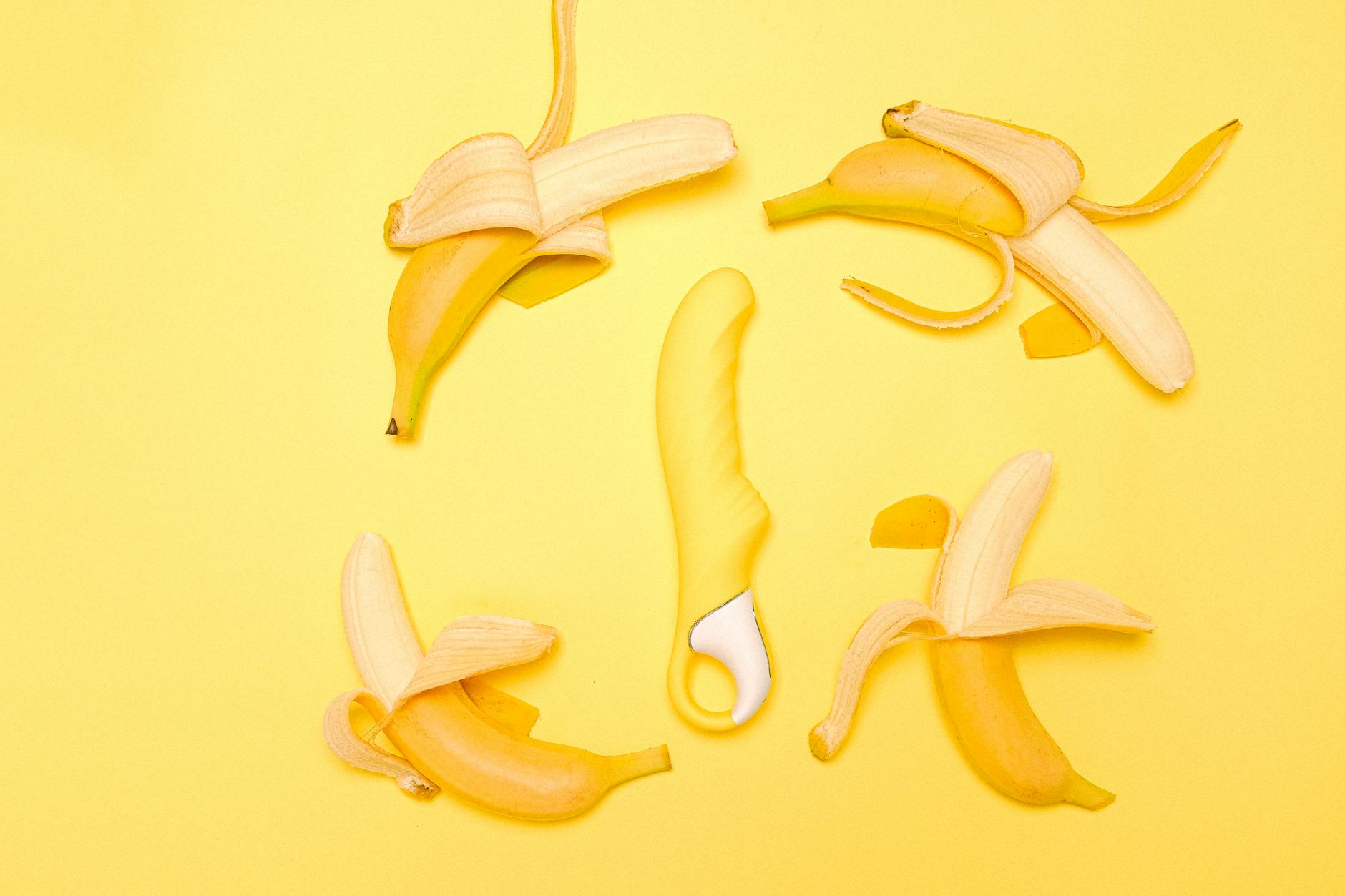
Here's what nobody tells you about desire coming back
Depression and the medications that treat it don't just dampen mood. They flatten arousal in ways that feel physical because they are physical. When you start feeling better—whether you've adjusted your meds, changed doses, or simply come through the other side—desire doesn't roar back like a switch flipping. It creeps back in pieces, often confusing and unfamiliar, like meeting an old friend you no longer quite recognize.
Most people assume their libido should feel the way it did before. Then they feel disappointed when it doesn't. What you're actually experiencing is normal neurochemistry rewiring itself. Your brain is rebuilding dopamine and serotonin pathways. Your body is relearning sensation. That's not broken. That's healing.
The real mechanics of antidepressants and sexual response
Antidepressants work by increasing serotonin availability in the brain. More serotonin helps regulate mood and anxiety. The side effect (or, from a sexual perspective, the complication) is that too much serotonin actually suppresses dopamine in the pathways that drive desire and physical arousal.
It's not that you stop wanting sex. It's that the neural signal saying "this would feel good" gets quieter. Orgasms, if they happen at all, often feel distant or take twice as long to reach. For some people, sensation feels muted entirely. This is called sexual dysfunction from SSRIs or SNRIs, and it's one of the most underreported side effects because people don't realize it's the medication, not them.
When you lower your dose, switch medications, or come off them entirely, that dopamine system wakes back up. But it doesn't wake up like it used to. It's slower. More deliberate. It needs different input.
Why sensation might feel different (even after improvement)
Three things typically happen when desire is returning after depression treatment.
Your threshold for arousal has shifted. Before medication, a thought or a touch might have been enough. Now you might need 15 minutes of direct stimulation before your body starts responding. This isn't worse. It's just different. And it's temporary. As your dopamine pathways strengthen over weeks and months, this threshold often lowers again.
Sensitivity can feel unpredictable. Some days you'll feel responsive. Other days, the same stimulation will feel like nothing. This is your nervous system recalibrating. You're not losing progress on the days it feels flat. Your brain is still rebuilding.
Physical arousal lags behind mental arousal. You might feel mentally interested in pleasure, but your body takes longer to catch up. Lubrication might be slower. Clitoral engorgement might be less pronounced. This gap between what you want and what your body is doing is one of the most frustrating parts of this transition.
Why lemon clitoral vibrators work better during this phase
Traditional vibrators send rapid vibration deep into tissue. That works great when your nervous system is firing at full volume. But when you're in the phase of rebuilding sensation, that much stimulus can feel overwhelming or, weirdly, like nothing at all.
Lemon suction toys work differently. Instead of vibration, they use gentle pulsing suction that mimics oral stimulation. This approach has several advantages when you're rewiring your pleasure response.
Suction is more customizable. The Lem vibrator, like other clitoral suction devices, usually has multiple intensity levels. You can start at pattern one or two—barely-there sensation—and gradually increase as your nervous system wakes up. With a traditional vibrator, the jump between "off" and "on" can feel too intense. Suction lets you meet your body where it actually is.
The stimulation pattern mimics natural response. Your body spent years learning to respond to oral stimulation. That neural pathway is still there, even if it's been quiet for months. Suction toys reactivate that familiar pattern without requiring your body to learn something new.
Sensation builds more gradually. A clitoral vibrator creates rapid intensity from the start. Suction allows arousal to build in waves. You can feel your body responding incrementally, which often helps bridge that gap between mental interest and physical response.
Many people also report that suction feels less jarring than vibration when they're in the early stages of desire returning. It's a softer wake-up call to your nervous system.
The protocol that actually works (starting where you are)
Let's be practical. Here's what I recommend to clients rediscovering pleasure after depression or medication changes.
Week one: just exploration. Don't aim for orgasm. Use your Lem vibrator at the lowest setting, starting for just 2-3 minutes. Pay attention to which patterns feel good and which feel overwhelming. Notice if sensation is stronger on some days than others. This isn't a performance test. You're gathering data about your current baseline.
Week two and three: gradually extend time. Once you know which settings feel best, increase to 5-10 minute sessions. You're still not chasing orgasm. You're teaching your body that arousal is available and that sensation is safe. Your dopamine pathways are getting stronger each time you do this.
Week four onward: bring in context. Start using your lemon clitoral vibrator when you're already in a good headspace—relaxed, well-rested, not stressed. Arousal builds on arousal. A warm bath first, comfortable position, no pressure for a particular outcome. Let orgasm happen if it does. If it doesn't, the session was still valuable.
Some people find that partnered use helps during this transition. If you have a partner, the presence of another person can sometimes jumpstart dopamine in ways solo exploration doesn't. But there's no obligation here. Solo pleasure is just as valid, and sometimes easier because there's zero pressure.
The emotional part (which is just as important as the physical)
Depression is often intertwined with shame, and depression treatment brings its own set of losses. When you're rebuilding desire, you're also rebuilding your relationship to your own body as a source of pleasure. That can feel vulnerable, even frightening.
Give yourself permission to feel resistant or bored or frustrated. Those feelings don't mean you're broken. They mean you're human, and your nervous system is doing something complex.
If you have a partner, the conversation matters here. "My desire is coming back, but differently. I need my body to move at its own pace." Saying that out loud often releases the pressure that was suffocating arousal in the first place.
When to check in with your doctor
If weeks four or five pass and sensation still feels completely absent, mention it to your prescriber. Sometimes a dose adjustment or a medication switch can help. Sometimes adding a complementary medication temporarily supports dopamine while your brain continues healing. You don't have to white-knuckle this.
Similarly, if you notice that your mood is declining as you adjust medications, that's important data. Sexual dysfunction and mood regulation can both be addressed. One doesn't have to suffer for the other.
People Also Ask
How long does it take for libido to fully return after stopping antidepressants? Most people see some improvement in desire within 2-4 weeks of a dose reduction or medication change. Full recovery of baseline libido usually takes 3-6 months, though some people experience faster improvement. Your individual timeline depends on how long you were on medication, your neurobiology, and whether you're also working through the depression itself alongside the pharmaceutical adjustment.
Can you use lemon vibrators if you're still taking antidepressants? Yes. Some people find that suction toys work better during medication than afterward because they require less physical response to feel pleasurable. If you're on an SSRI and want to experiment with toys, starting low and building gradually is still the right approach—the medication just means you might need even more patience.
What if pleasure still doesn't feel like it did before? Your baseline may have genuinely changed, and that's okay. Depression rewires some neural pathways permanently. The pleasure you experience now might be quieter, slower, or require more context than before. That's not worse. It's just different. Many people find that once they stop comparing it to "how it used to be," they actually enjoy it more.
Is there anything else besides toys that helps desire return? Sleep, movement, and stress reduction matter enormously. Dopamine responds to novelty and achievement, which is why exercise helps. Oxytocin (the bonding hormone) also supports desire, so time with people you trust, physical affection, and (if applicable) partnered intimacy all help. Toys are one tool, not the whole picture.
Should I feel guilty about needing toys now when I didn't before? No. Your nervous system is in a different place. Needing support is not weakness. It's actually wisdom—you're using the right tool for where your body is, not where you wish it was. The Lem vibrator is designed for exactly this: flexible, gentle, responsive to how you actually feel.
What if my partner doesn't understand why I need things to be different? It's worth having an explicit conversation. "Depression medication changed how my body responds to pleasure. I'm rebuilding. This isn't about you or our connection." Many partners respond well to clarity. If your partner is consistently unsupportive of your healing process, that's a separate relationship question worth exploring, possibly with a therapist.
The truth underneath all of this
Desire returning after depression isn't a sign of full recovery on its own. But it's evidence that your nervous system is resilient, that your brain chemistry is rebalancing, and that you're capable of reconnecting with pleasure as a form of self-care. That matters.
Your body's slower return to arousal isn't a personal failing. It's just where you are right now. And the Lem vibrator—or any clitoral suction toy—exists partly for moments exactly like this: when you need something that meets you gently, patiently, and without judgment.
If you're in this phase and feeling lost, reach out to a therapist or your prescriber. You don't have to figure this out alone. And if you want to talk through what you're experiencing with someone who understands both the sexual and the emotional sides of recovery, we're here.