Let's name the thing nobody talks about
You're having sex, and it feels... fine. Or numb. Or distant. The sensation your body used to deliver during penetration has gotten quieter, and no amount of angle adjustment or speed change brings it back. So you assume you need more of the same thing. More pressure. Longer sessions. A different partner. A different technique.
Here's the plot twist: the problem isn't that you need more friction. It's that friction alone was never the full picture of how your body experiences pleasure.
Why penetrative sensation changes
Reduced sensation during penetration happens for a bunch of reasons, and almost none of them mean something is broken. Vaginal tissue has fewer nerve endings than the clitoris, full stop. During the first few years of sexual activity, the novelty and hormonal surges make it feel like penetration is delivering intense sensation. Then things shift. Hormones change. Tissue changes. Inflammation subsides. Novelty wears off. Your brain stops treating the same stimulus as novel input.
Then there's the mechanical reality: penetration stimulates the anterior vaginal wall and the clitoris indirectly, through movement. If you're carrying tension in your pelvic floor, numb from stress, or your hormone levels have shifted, that indirect route gets muffled.
All of this is completely normal and wildly common.

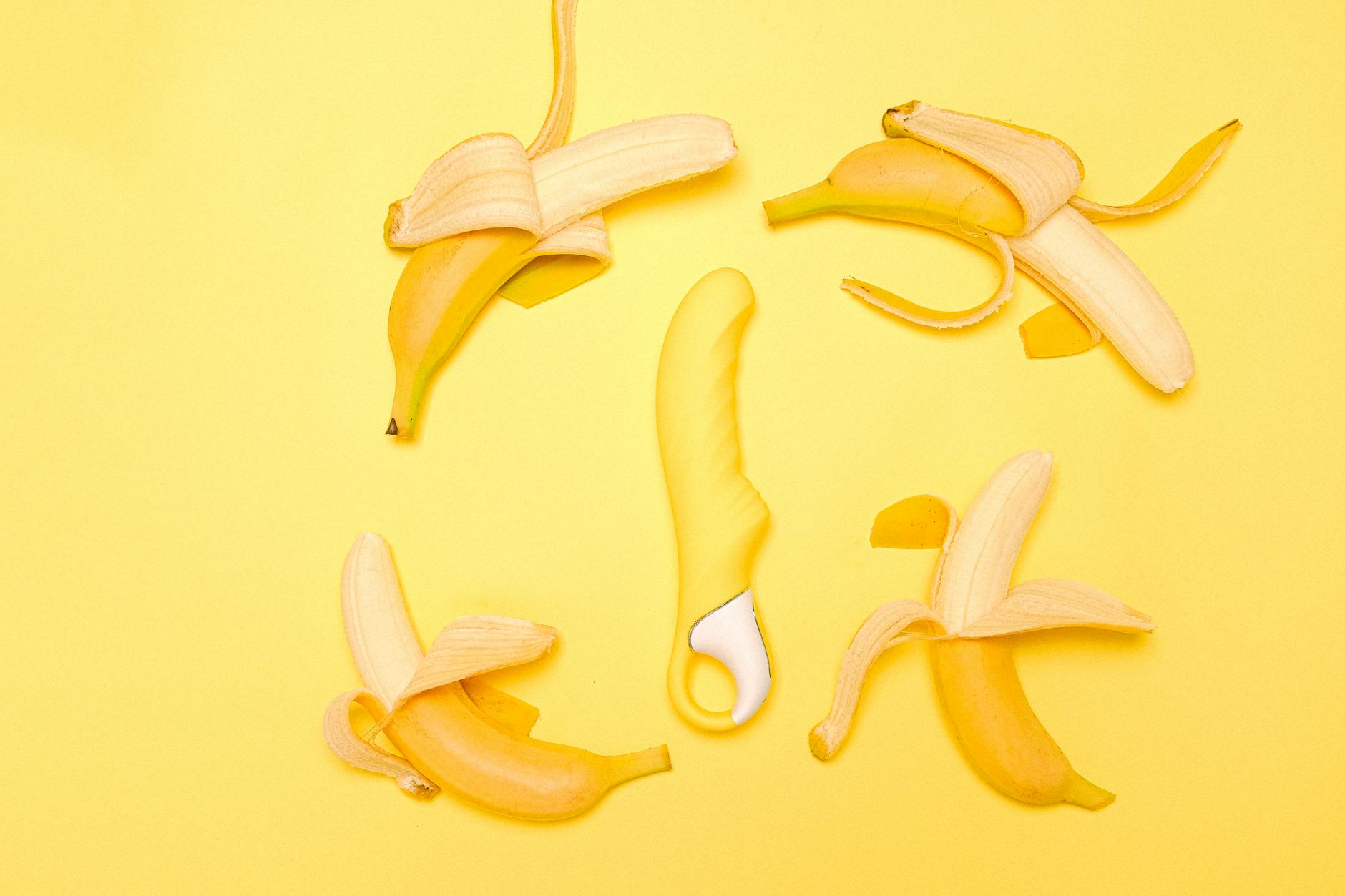
Photo by cottonbro studio on Pexels
The clitoris is a way better lever
Here's what most people don't realize: the clitoris has four times the nerve density of the vagina. Direct clitoral stimulation bypasses the whole "indirect route" problem. It's not a supplement to penetration. It's a completely different channel of pleasure, one that works when the penetration channel feels stuck.
Clitoral suction toys like the Lem work particularly well for reduced sensation because suction doesn't require pressure or friction. It works through gentle rhythmic waves that stimulate the nerve endings without demanding the intensity that friction-based toys do. For someone whose body has gone quiet to penetration, suction can feel almost shocking in its responsiveness.
I've worked with clients who'd written off penetration entirely because "nothing works anymore," and then experienced genuine arousal and orgasm for the first time in years once they introduced a lemon clitoral vibrator into their partnered sex.
What changes when you combine both
Here's where it gets interesting. Adding a lemon vibrator or similar clitoral suction toy to partnered penetration isn't a Band-Aid. It's a completely different way of having sex. You're no longer trying to wring sensation out of penetration alone. Instead, you're layering two different pleasure channels that can work together or independently.
Many couples find that when one partner uses a lemon clitoral vibrator during penetration, the sensation for the penetrating partner actually increases too. Not because of anything physical. Because the receiving partner is more aroused, more present, more turned on. That presence changes everything.
It also takes the pressure off penetration to deliver the whole experience. Penetration can be what it actually is. A sensation. A form of closeness. A rhythm. Not a performance or a test.
The practical setup
Start with this: bring the lemon vibrator in after arousal has already begun. Not at the start. That's not because you're "not ready" for external stimulation. It's because most people with reduced penetrative sensation benefit from that initial warm-up time to rebuild the neural pathway between brain and body.
Begin on a lower suction setting. This matters more than it sounds. Reduced sensation doesn't mean numb sensation. It usually means "sensation is quieter." A high suction setting can feel overstimulating after a period of reduced responsiveness. Start at level one or two and work up.
Position matters too. If you're lying on your back during penetration with a partner, you can hold the lemon vibrator yourself against your clitoris, or your partner can hold it if you both have hands free. The key is access and steadiness. You want pressure that stays put, not pressure that's fighting the motion of sex.
When numbness is telling you something else
If reduced sensation came on suddenly, or if it's accompanied by pain, those are conversations for a doctor or sexual health specialist. But most of the time, gradual reduced sensation during penetration is your body telling you that you've outgrown what friction alone can deliver.
Sometimes it's also your nervous system saying "I need more clitoral focus." Your body knows what it needs. Reduced sensation is often a signal that the clitoris has better access to pleasure right now than the vagina does.
That's not a loss. That's information.
Building confidence with sensation again
When penetration has felt numb for a while, there's often shame wrapped around it. Clients tell me they feel broken, or like they're failing their partner, or like they should be able to "enjoy sex the way other people do." All of that is understandable and completely unrelated to what your body actually needs.
Introducing a lemon clitoral vibrator into partnered sex can actually rebuild that confidence. Not because the toy "fixes" anything. But because it gives you permission to chase sensation in the way your body actually responds to it right now.
That permission matters more than the toy itself.
FAQ
Can I use a lemon vibrator during penetration if my partner isn't comfortable with toys?
That's a different conversation than the sensation issue. If reduced sensation is real for you, and a toy would help, that's information worth sharing with your partner directly. "My body responds better to clitoral stimulation right now" is not a critique of your partner. It's data. But that conversation deserves care and time. If you need language or strategies for broaching it, that's worth exploring with a therapist or relationship coach.
Does using a clitoral vibrator mean penetration won't ever feel good again?
No. Using a lemon clitoral vibrator doesn't train your body away from penetration. In fact, many people find that once they've experienced real arousal and orgasm through clitoral stimulation, penetration feels better during partnered sex because the whole body is more engaged. You're not trying to squeeze sensation out of penetration. You're adding penetration to an experience where arousal is already building.
How long does it take to feel sensation return during penetration?
That depends on what caused the reduced sensation in the first place. If it's hormonal, changes might take weeks or months. If it's psychological or stress-related, introducing clitoral stimulation sometimes makes the difference immediately. Some people find that sensation during penetration returns once they've rediscovered it elsewhere. Others find that they're actually happier focusing on clitoral pleasure and reserving penetration for partnered intimacy rather than sensation.
Is reduced sensation a sign that I need a different partner?
Almost never. Reduced sensation during penetration is wildly common and usually has nothing to do with how attractive you find your partner or how attracted they are to you. It's about how your nervous system is processing stimulus. A lemon clitoral vibrator will give you better information about whether the issue is sensation or something else entirely.
Can I use a lemon clitoral vibrator alone if penetration feels numb?
Absolutely. Solo play with a clitoral vibrator actually gives you permission to focus purely on clitoral sensation without the narrative that penetration should be the main event. That exploration can teach you a lot about what your body actually needs right now. Many people bring that knowledge into partnered sex later.
What if clitoral stimulation doesn't feel good either?
That's worth a conversation with a sexual health specialist. Reduced sensation across all types of stimulation can signal hormonal changes, medication side effects, neurological factors, or sometimes just a nervous system that's stuck in stress mode. A specialist can help you figure out what's happening and what actually helps. A lemon vibrator isn't the right tool for every type of numbness. But that's valuable information.
The real shift
Reduced sensation during penetration is a common reason people think their sexuality is fading. What's usually happening is simpler: your body is telling you that direct clitoral stimulation works better for you than it did five years ago. That's not a decline. That's evolution. A lemon clitoral vibrator isn't a replacement for penetration. It's a way to expand what pleasure is available to you right now.
Once you stop trying to force sensation from penetration alone, partnered sex often becomes better, not worse. You're working with your body instead of against it.
If you want to explore this further or have questions about how to approach these conversations with a partner, reach out to us. We're here to help.
Sources
Masters, W. H., & Johnson, V. E. (1966). Human Sexual Response. Little, Brown and Company.
Barry, J. A., et al. (2019). "The role of the clitoris in female sexual pleasure." Journal of Sexual Medicine, 16(8), 1194-1204.
Ancelle, T., et al. (2014). "Sensation and perception in human sexuality." Current Sexual Health Reports, 6(4), 245-252.