Let's talk about what nobody warns you about
You got your hormonal IUD inserted. The insertion itself was fine, or maybe uncomfortable, but fine. Then a week passes. Two weeks. And you notice your usual touch doesn't land the same way. Your partner's fingers feel different. Orgasms take longer or feel less intense. You might feel almost numb in places that used to light up immediately.
Here's what you're experiencing: this is not a malfunction. It's the progestin dose from your IUD doing its job, which includes dampening arousal signals in your brain and changing how responsive your tissues feel. Most doctors mention this the way they mention "some spotting." Very clinical. Very unhelpful. You're sitting here thinking something broke.
Nothing broke.
How hormonal IUDs actually change sensation
Hormonal IUDs release progestin directly into your uterus and bloodstream. Unlike hormonal birth control pills, which go through your digestive system first, the IUD delivers a smaller but steady dose right into circulation. That progestin does three things that matter for pleasure:
It suppresses dopamine slightly. Dopamine is what creates anticipation and desire. Less dopamine means less "I want this now" feelings. This is why some people notice their libido drops for the first month or two after insertion.
It thickens cervical mucus dramatically. You might notice more discharge or a thicker feeling. This also affects how sensitive your cervix and internal tissues feel to touch. The barrier is there for contraceptive reasons, but it also mutes sensation slightly.
It changes blood flow patterns. Your clitoris gets less engorgement during arousal because the hormonal profile is different. This means it takes longer to swell, and when it does, it might not feel as prominent or responsive as it used to.
Here's the part doctors don't explain well: this settles. Most people experience the biggest shift in the first 3-6 weeks. By week 8-12, your body adjusts, and sensation often bounces back to something close to baseline. But during those first weeks, it can feel pretty alarming.
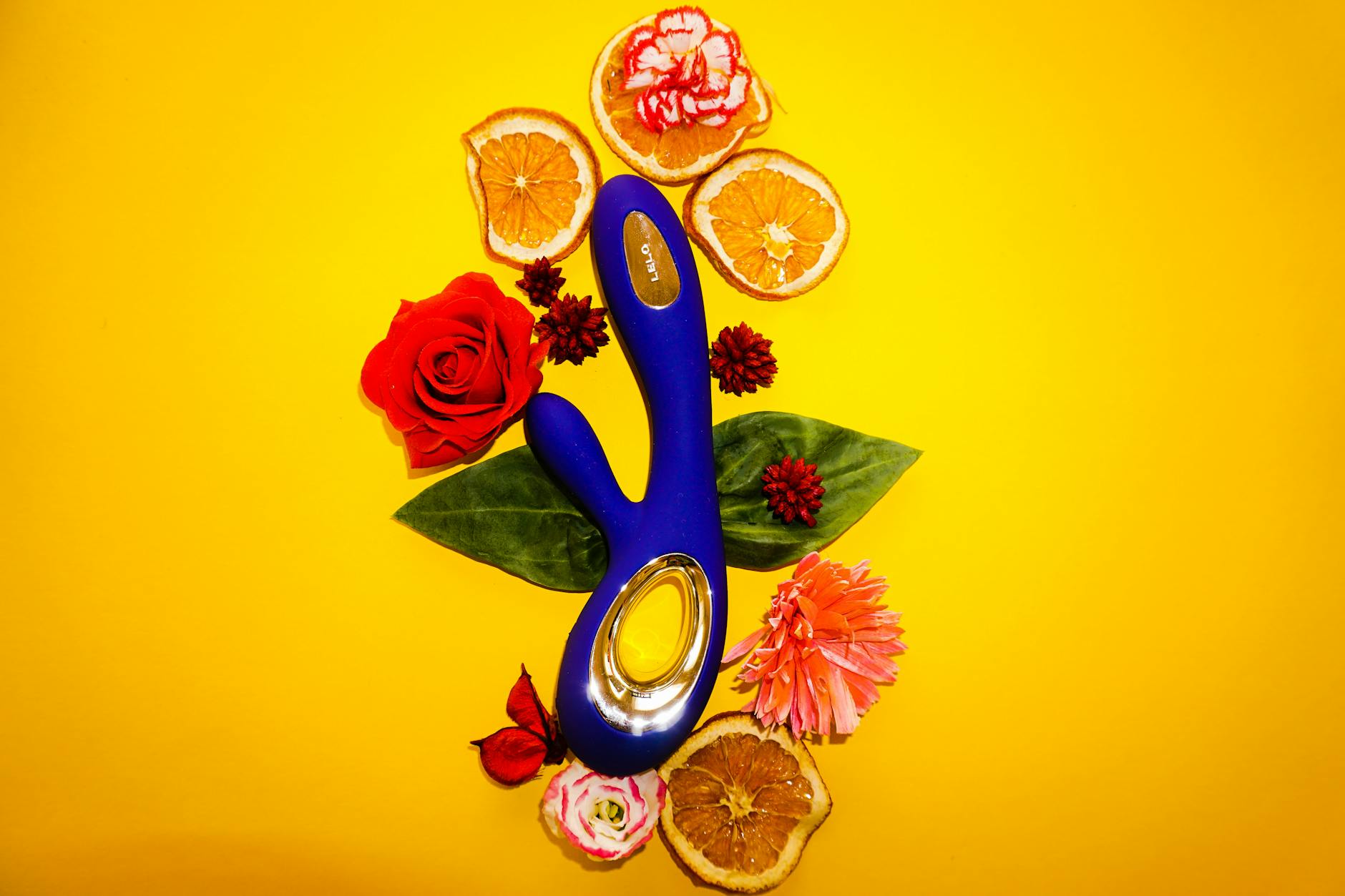
Why Lem Vibrator works when sensation feels muted
Traditional vibrators rely on your tissue being responsive enough to register the vibration. When sensation is muted from an IUD, that means you might need more direct, focused stimulation to feel anything at all.
Lemon clitoral vibrators like the Lem use suction and pulsing instead of just vibration. Suction creates a different type of stimulation. It gently draws tissue into the cup, creating pressure and release patterns that don't depend on your baseline sensitivity the way a traditional wand does. You get consistent sensation even when your clitoris feels less responsive.
This matters because during that adjustment window, you're not trying to force pleasure back. You're working with the device that will actually register through the temporary numbness. Lemon sexual toys bridge the gap between where your sensation is now and where it will be.
The first week back: what to expect
If you're using a Lem vibrator for the first time after IUD insertion, start lower than you think you need to. Your tissues are doing a lot right now. Insertion caused some inflammation, even if it felt minor. Progestin is flooding your system. Your pelvic floor might be tense from the procedure itself.
Begin at setting 1 or 2. Spend 10-15 minutes just letting your body remember what pleasure feels like at this new baseline. You might not orgasm. That's okay. This isn't about performance. It's about reorientation.
Use a generous amount of water-based lubricant. The progestin thickens cervical mucus, but it doesn't increase clitoral lubrication. External lubrication makes the suction feel smoother and less intense in a good way.
Weeks 2-4: The middle stretch
By week 2, the insertion pain has faded. Your pelvic floor is less rigid. But sensation might still feel flat. This is when people get discouraged, because they expect to feel normal again, and they don't.
Increase your warm-up time. With an IUD in those early weeks, arousal builds slower. Budget 20-30 minutes instead of your usual rhythm. That's not a problem. That's information. Use those extra minutes to explore different settings on your Lem vibrator, different angles, different rhythms.
You might notice that orgasms feel different even when they do happen. Maybe shallower. Maybe more in your clitoris than your whole pelvic floor. Maybe longer to build but satisfying once they arrive. All of these are normal. Your nervous system is adjusting.
The psychological layer you can't skip
Here's where most sex toy advice falls short: sensation isn't just physical. It's neurological. You spent the last however many years knowing exactly what your body felt like, what your pleasure looked like, what your orgasm pattern was. Then suddenly that roadmap doesn't work.
Your brain is also grieving that, even if you consciously love your IUD for the protection it gives you. And that grief sometimes shows up as frustration, resentment, or dissociation during sex.
If you have a partner, say this out loud: "My body is adjusting to a new contraceptive. This is temporary. I need patience and consistency right now, not pressure." Most partners are relieved to know there's a reason and a timeline.
If you're solo, give yourself permission to explore without an orgasm goal. Use your Lem vibrator like you're gathering data. What setting makes you feel present instead of numb? What position? What time of day? Some people find they're more responsive in the morning or mid-cycle, even on hormonal IUDs.
When to know it's not just adjustment
Most sensation changes from a hormonal IUD stabilize by week 12. If you're past that mark and pleasure still feels completely absent, or if it got better and then suddenly got worse, check in with your doctor.
Some people's bodies don't tolerate progestin well, even in the lower dose of an IUD. That's not a moral failing. It's information. You might need a copper IUD instead, or a different contraceptive altogether.
Pain during sex is also not normal adjustment. Pain means something else is happening. Insertion complications are rare, but they exist. If your pain is sharp, radiating, or getting worse instead of better, get it checked.
Practical adjustments for the adjustment period
Three things I recommend to almost everyone navigating this:
Vary your lemon vibrator settings. The Lem has multiple patterns for exactly this reason. Your sensitivity fluctuates day to day. What worked Tuesday might not work Friday. Explore. Don't assume you know what you need.
Track your arousal separately from orgasm. Desire and orgasm are not the same thing. You might notice your desire is lower but your capacity for orgasm hasn't changed. Or vice versa. Name what's actually happening instead of lumping it together as "everything is broken."
Give yourself a full cycle or two. Your hormones are resetting. If you menstruate, notice if sensation changes at different points in your cycle. Some people find they feel more responsive right after their period, even with an IUD.
The reset usually works
By month 3 or 4, most people find their sensation has settled into a new normal. It might not be identical to before the IUD. Some people stay slightly less sensitive. Some bounce back completely. Many find that once their brain relaxes about it, pleasure reconnects faster than they expected.
The lemon clitoral vibrator matters during this window because it gives you consistent, reliable sensation while your body is recalibrating. You're not chasing a feeling that used to exist. You're meeting your body where it actually is.
Frequently asked questions
How long does sensation numbness last after a hormonal IUD?
Most people notice the biggest changes in the first 4-6 weeks. By 8-12 weeks, sensation usually returns to something closer to baseline. Some people feel back to normal within 2 weeks. Others take 3-4 months. If numbness persists past 6 months, talk to your doctor about whether the IUD is right for your body.
Can I use a regular vibrator or do I need a suction toy?
You can use either. A regular vibrator will work once sensation returns. During the adjustment period, suction toys like the Lem are gentler because they don't depend on your clitoris being fully engorged or responsive. They create sensation through pressure and release instead. If you already have a vibrator you love, keep using it. Add suction if the sensation feels flat.
Will my libido come back after an IUD?
Yes, usually. If your IUD uses only progestin, it affects desire more than non-hormonal methods do. But most people's desire stabilizes once their body adjusts to the hormone level. If libido has completely disappeared by month 6, that's worth raising with your doctor. Some people need a different contraceptive.
Is it normal for orgasms to feel different after IUD insertion?
Completely normal. Your hormones are different. Your blood flow patterns are different. Your nervous system is processing a foreign object in your uterus. Orgasms might feel weaker, come faster, take longer, or feel more concentrated in your clitoris than your whole body. All of these change over time as you adjust.
Should I wait to use toys until sensation returns?
No. Using a toy during this adjustment period actually helps. It reminds your body that pleasure is still possible, even if it feels different. It also gives you data about what actually feels good right now. You're not forcing yourself back to baseline. You're exploring a new normal.
What if sensation gets worse instead of better?
If numbness increases after 4-6 weeks, or if sharp pain appears, contact your doctor. This could signal an infection, partial expulsion, or that your body just doesn't tolerate this particular IUD. None of these are permanent, but they need medical attention.
You're not broken, you're adapting
A hormonal IUD is a fantastic form of contraception. It's also a hormonal shift your body has to adjust to. Sensation changes during that adjustment period because your brain, your blood vessels, and your tissue are all recalibrating.
Using tools like lemon clitoral vibrators isn't about forcing pleasure back faster. It's about meeting your body where it is right now and trusting that it will adapt. Some of the best orgasms my clients report have come after they stopped trying to get back to baseline and started exploring what their new normal feels like.
Your pleasure matters. Even while you're adjusting. Especially then.