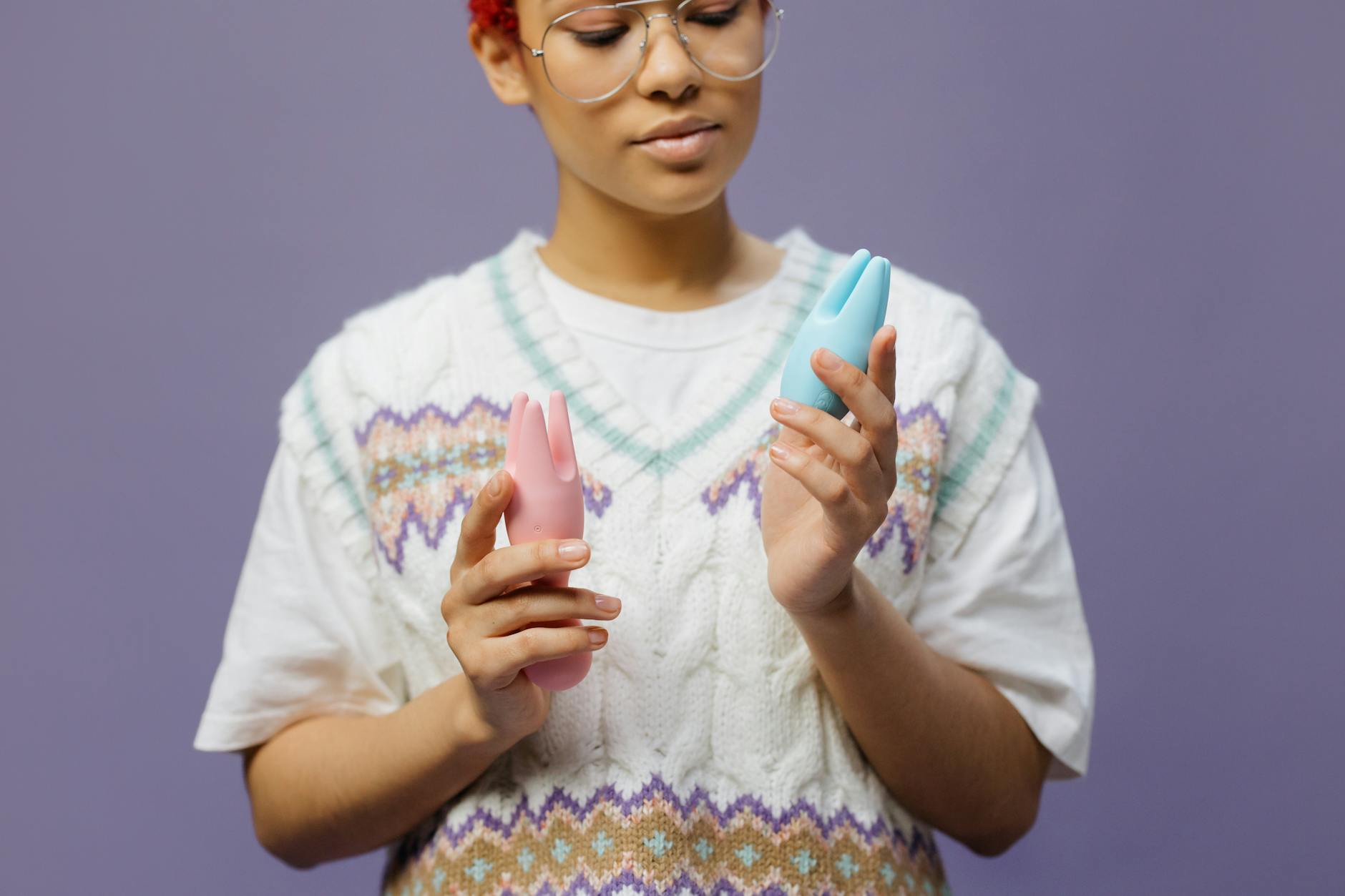
Let's talk about why you're feeling everything right now
Honestly? Your nervous system woke up. After a break from sex, orgasm, or any kind of intentional pleasure, your body doesn't gradually remember. It comes roaring back. The nerves in your clitoris, the neural pathways in your brain that light up with arousal, the pelvic floor muscles that have been quiet for months—they all activate at once when you finally give them permission again. The result can feel less like pleasure and more like being struck by lightning.
That intensity is real. It's not weakness, and it's not a sign something is wrong. It's actually your body working exactly as it should. But working at full volume when you're used to silence is startling. Understanding why this happens takes some of the fear out of it.
The neuroscience of sensation flooding after a break
When you stop engaging in sexual activity or pleasure for an extended period, your nervous system recalibrates. The sensory nerves in your clitoris are still there, still intact. But your brain stops expecting stimulation, so it stops priming your body for it. The neural pathways that carry pleasure signals get quieter. Your pelvic floor doesn't maintain the same level of tone and readiness.
Then you come back.
Your brain immediately remembers what arousal feels like. Your blood vessels dilate. Your clitoris swells with blood. If you use a lemon vibrator—a device designed to create suction and rhythmic sensation directly on that tissue—you're not just restimulating nerves. You're asking your entire nervous system to process something it had essentially switched off. All at once.
For many people, this shows up as feeling like the sensation is too much, too fast, or almost painful in its intensity. Your threshold for pleasure has shifted. That's not abnormal. It's just adjustment.
Why a break actually changes your sensation threshold
Three neurological things happen when you step away from pleasure:
1. Sensory gating resets. Your brain gets used to NOT receiving pleasure signals, so it doesn't dampen them the way it normally would. When they come back, they feel raw and unfiltered.
2. Your pelvic floor relaxes completely. Without regular engagement, your pelvic floor muscles soften and lose some of their dynamic tone. This means they're less able to modulate or regulate the intensity of stimulation. A lemon vibrator's suction feels more pronounced when your pelvic floor isn't ready to engage with it.
3. Anticipation anxiety amplifies everything. If you're nervous about feeling overwhelmed, your nervous system goes into a state of alert. You tense up. Then when the vibrator makes contact, every nerve fires at once because your whole system is hypervigilant. Your brain interprets intensity as potential danger.
How to pace yourself if everything feels too much
Start lower than you think you need to. A lemon vibrator like the Lem has multiple intensity settings. If you've been away from pleasure for months or years, don't start at the level that used to feel good. Start at level 1 or 2. Spend 5 to 10 minutes there. Let your nerves reconnect with the sensation. This isn't about reaching an orgasm. It's about teaching your nervous system that this is safe and manageable.
Second, warm up longer. Don't jump straight from nothing to using a toy. Spend time with your hands first. Notice what feels good and what feels overwhelming. If you have a partner, they can help with this—kissing, manual stimulation, whatever builds arousal gradually. The goal is to get your nervous system to a place of actual desire before introducing the vibrator.
Third, use lubrication. This matters because intensity is partly mechanical. A good water-based lube reduces friction and makes the sensation feel smoother, less sharp. It also signals to your body that you're being gentle with yourself, which has a genuine calming effect on your nervous system.
What to do if the sensation still feels overwhelming
If you get 10 seconds in and your nervous system says "no," listen. Stop. This is not failure. Your body is communicating a boundary, and respecting it is how you build trust with yourself again.
Take a breath. Put the vibrator down. Notice what your body needs in that moment. Sometimes it's a moment of stillness. Sometimes it's going back to hands-only stimulation. Sometimes it's stepping away entirely and coming back tomorrow.
Many people who return to pleasure after a long break need 3 to 7 sessions of low-intensity, low-pressure exploration before the sensation starts to feel pleasurable rather than alarming. This is normal. Your nervous system is learning to downshift from hypervigilance back into safety.
If the overwhelming feeling persists or if you experience pain rather than just intensity, that's worth mentioning to a healthcare provider. Sometimes sensation changes point to something physical that needs attention. But often it's just the nervous system taking time to recalibrate.
The mental side of intense sensation after a break
Here's what I see clinically: people often feel shame about the intensity feeling overwhelming. They think "I used to enjoy this, what's wrong with me?" Nothing is wrong. Your body is being honest about what it needs right now, which is slower and gentler than before.
Let yourself move at that pace without judgment. This is actually an opportunity. Many of my clients report that once they get past the initial overwhelm, they discover new layers of pleasure they didn't know existed. The slower, more deliberate approach creates different sensations. The Lem vibrator, especially, creates sensations that feel different at different intensities—less buzzing, more rhythmic pressure. Some people find that approach works better for their nervous system than anything they tried before.
A practical session structure for reentry
If you're coming back to pleasure after a break and using a lemon vibrator, here's a framework that works:
Start with 5 minutes of no stimulation. Just noticing your body, breathing, being present. Then 5 to 10 minutes of hands-only or partner stimulation. Then introduce the vibrator at level 1. Give yourself 10 to 15 minutes. If it feels good, you can increase to level 2 in a later session. If it feels intense but not painful, stay at level 1 for several sessions before moving up. There's no rush. You're rebuilding a relationship with your own pleasure.
Most importantly, stop when you've had enough. Pleasure shouldn't feel like pushing through a wall. It should feel like something you're returning to gradually, with patience, giving your whole nervous system time to remember.
Coming back to pleasure after a break isn't about reclaiming what you had. It's about discovering what you need now.
When to seek support
If sensation remains painful, or if you feel completely disconnected even after several gentle sessions, that's worth exploring with a therapist or healthcare provider. Sometimes trauma, hormonal changes, or anxiety can make sensation feel intense in a way that needs professional support.
If numbness is the issue instead of intensity, that's a different conversation. The numbing itself is what we'd address—and tools like the Lem vibrator can absolutely help with that too, though the approach would be different.
Coming back to your own pleasure is worth doing slowly. Your nervous system will thank you.
People also ask
How long does it usually take for sensation to feel normal again after a break from sex?
Most people notice significant shifts within 3 to 4 weeks of consistent, gentle engagement with pleasure. But "normal" is individual. Some people feel ready to return to their previous level within a month. Others need 2 to 3 months. The key is noticing what feels right for your body, not racing toward some imagined baseline. If you're unsure about your own timeline, that's a great question for a therapist or healthcare provider who knows your history.
Can intense sensation after a break signal something medically wrong?
Intense sensation that feels overwhelming but not painful is usually just nervous system recalibration. But intense sensation that includes pain during or after use warrants a check-in with a gynecologist or sexual health specialist. Pain is your body's way of saying something needs attention. Don't push through it. That said, many people confuse intensity with pain at first. If you're unsure, give it a few sessions before deciding. True pain doesn't improve with pacing.
Should I use a different toy if my usual vibrator feels too intense?
Not necessarily. The Lem vibrator and other lemon clitoral vibrators are actually great for reentry because you can dial down the intensity to nearly nothing. The real variable is the setting you're using. Start at level 1 for as long as you need. Once your nervous system recalibrates, you'll be able to move through the settings comfortably. Sometimes what feels "too intense" is just the setting, not the toy itself.
Is it normal to feel anxious when restarting pleasure after a break?
Completely normal. Your nervous system has learned that pleasure isn't happening, and reintroducing it can trigger anticipatory anxiety. This is especially true if the break was connected to trauma, shame, or a major relationship change. That anxiety is workable. Slowing down, breathing, and being patient with yourself all help. If anxiety is intense, talking to a therapist who specializes in sexual health can make the process much easier.
Can a partner help if sensation feels overwhelming to me?
Yes, and significantly. A partner's presence, touch, and reassurance can help your nervous system feel safer as you reenter pleasure. They can also help you pace things—checking in, staying present, helping you notice what feels good versus overwhelming. The key is communication. Let them know you're moving slowly on purpose, not because anything is wrong. Many couples find this process actually deepens their connection because it requires honesty and attunement.
What if I have no desire to use a vibrator, even after a break?
That's worth respecting too. Sometimes people come back to pleasure without wanting toys involved. That's completely valid. The path back to pleasure can look like hands, partners, fantasies, or just time and attention to your own body. If you do want to eventually reintegrate a toy like a lemon vibrator, it'll be there. But desire matters more than the tool. Follow what actually sounds appealing, not what you think you should want.