
The honest thing about stress and orgasm
Stress doesn't just make you too tired to have sex. It actually rewires how your body responds to pleasure. Your nervous system goes into protection mode. Blood moves away from your genitals and toward your limbs and brain. Your pelvic floor tightens. Your clitoris becomes less responsive. And you end up trying harder and enjoying it less, which creates a vicious loop.
The cruelest part? It's not about willpower or technique. You can't think your way out of it. You can't make yourself relax by trying harder to relax. Most advice about "just let go" or "communicate more" misses the actual problem. Your body is doing exactly what it's supposed to do when the nervous system perceives threat. The threat doesn't have to be real. Overwhelm counts. Anxiety counts. Resentment from months of unresolved conflict counts.
Why your nervous system goes into lockdown
Think of your nervous system as having two states. The parasympathetic state is rest and digest. Arousal lives here. The sympathetic state is fight, flight, or freeze. Pleasure cannot exist in sympathetic activation. When you're managing a deadline, replaying an argument with your partner, thinking about your inbox, or carrying months of emotional disconnection, your system is in sympathetic mode. That's not a flaw. That's biology working correctly.
Women in particular are taught that orgasm should happen regardless of emotional context. Which means when it doesn't, you blame yourself. You add performance pressure on top of the existing stress. And your nervous system gets even tighter.
Here's what actually happens: prolonged stress shrinks the window where arousal is possible. That window might be a few minutes at 11 PM when you're already running on empty. Your partner expects the same pleasure response as when you were less stressed. You expect it too. And when it doesn't show up, both of you feel rejected or broken. Neither of you is. Your system just needs a different entry point.
How lemon clitoral vibrators change the equation
A quality lemon sucker or clitoral vibrator doesn't bypass stress. But it does lower the threshold for response. The suction or vibration pattern creates sensations that register differently in your nervous system than touch alone. It's more difficult to dismiss or ignore. Your body has to pay attention.
This matters because when you're in sympathetic activation, touch that requires you to do emotional work (being vulnerable, staying present, managing expectations) can actually reinforce the tension. But stimulation that is straightforward, reliable, and requires no negotiation of meaning or connection can sometimes help your nervous system downshift.
I'm not saying a lemon vibrator solves relationship problems or eliminates stress. It doesn't. But it can create a window where your body remembers what arousal feels like. And that matters.
Practical setup: priming before pleasure
If stress is blocking orgasm, the groundwork happens before you touch yourself. Here's what actually helps:
Clear the space. Not just physically (phone in another room, door locked) but mentally. Tell your partner explicitly: "I need 20 minutes where I'm not managing anything." This is not selfish. This is you being honest about what you need to access pleasure.
Move your body first. A 10-minute walk, 5 minutes of stretching, or even standing and shaking out your limbs can begin the shift from sympathetic to parasympathetic. Movement metabolizes stress hormones. Your nervous system notices.
Set one small intention. Not "I will have an orgasm." Instead: "I'm going to notice what feels good for 15 minutes." The second one is achievable. The first one is a performance demand.
Use a lemon vibrator on a low setting first. Start with the gentlest pattern. Let your body get used to the sensation without intensity. This is not the time to chase the strongest setting. You're teaching your nervous system that this is safe. Familiarity downshifts the threat response.
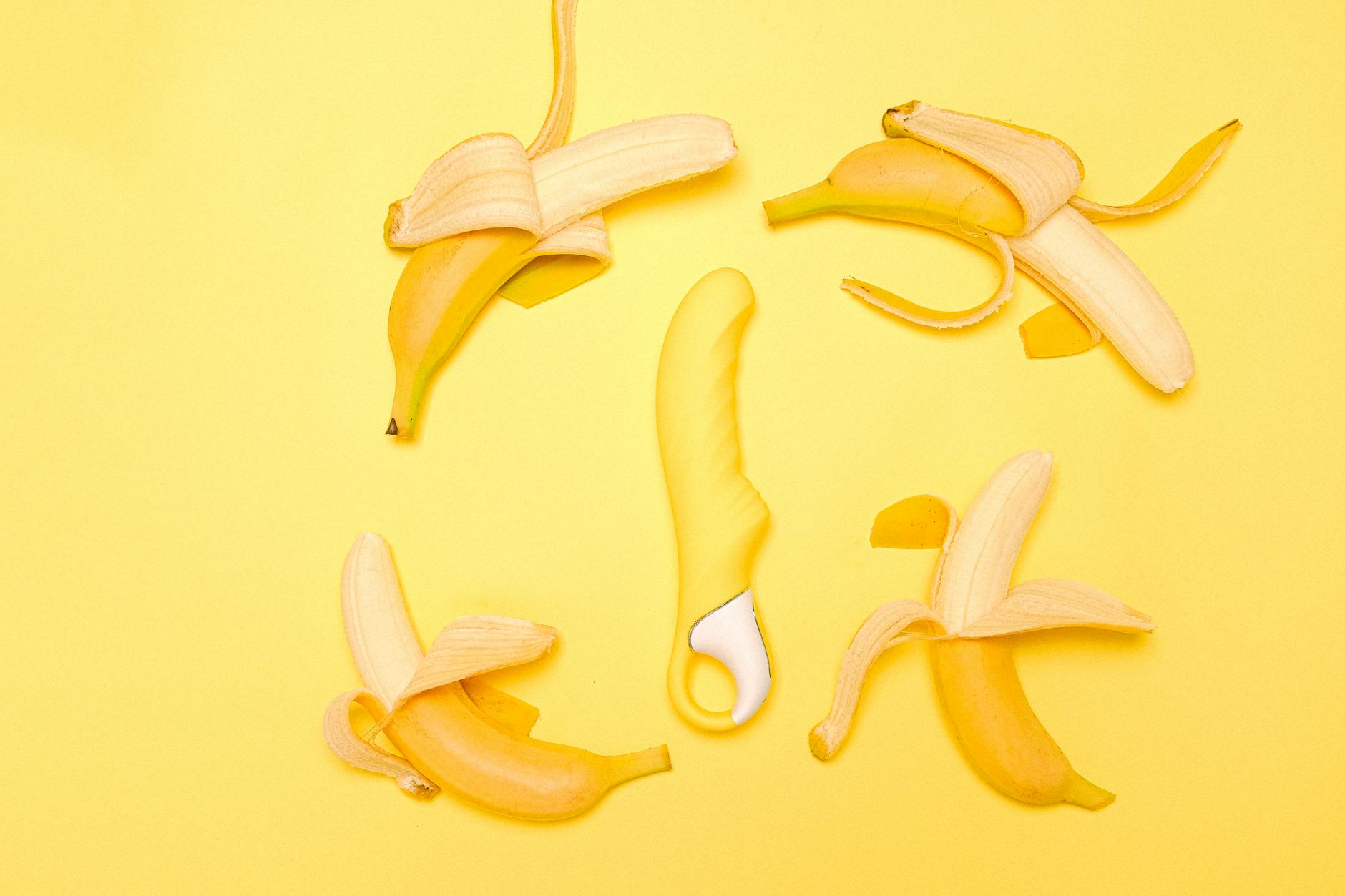
Photo by Anna Shvets on Pexels
Why suction works better than you'd expect when stress is high
Lemon clitoral vibrators that use suction (sometimes called lemon suckers) work particularly well under stress because they don't depend on direct friction. Direct touch on an already-tense clitoris can feel overwhelming or even painful. Suction creates a pulling sensation that stimulates the entire clitoral network without the intensity of direct contact.
Your clitoris has thousands of nerve endings concentrated in a small space. When you're stressed, that sensitivity becomes vulnerability. Suction diffuses the intensity across a broader area. It feels contained. Safe. Your nervous system can relax into it.
Start at pattern 1. Stay there for several minutes. Let your body adjust. You might not feel intense pleasure at first. You might feel curiosity, or gentle building sensation, or just relief that something feels okay. All of those count as the nervous system starting to downshift.
The role of consistency and expectation reset
One of the biggest blockers I see in my practice is that people try once, don't get results immediately, and conclude it didn't work. Stress has been building for weeks or months. Your system won't reorganize in one session. But it can begin to remember that pleasure is still possible.
Use a lemon vibrator three or four times a week without the pressure of orgasm being the goal. The goal is reconnection with sensation. Orgasm might follow. It also might not, and that's genuinely okay. You're rebuilding the neurological pathway, not forcing a result.
Partners often help by understanding this. If your partner knows you're working through stress-related response blocks, they stop expecting the same outcomes as before. That knowledge alone usually reduces performance pressure. Reduced pressure is the first thing that opens the door.
When to get additional support
If stress is rooted in relationship dynamics (resentment, disconnection, unresolved conflict), a lemon vibrator is a tool for reconnecting with your body, not a solution to the relationship. You might need couples work or individual therapy alongside it. That's not a failure of the toy. That's honesty about what the toy can and cannot do.
If stress originates from outside the relationship (work, family, grief, health), sometimes solo exploration with a lemon clitoral vibrator can actually help you feel more like yourself. Pleasure is a biological anchor to your own body and your own needs. In the middle of external chaos, that matters.
If anhedonia (inability to feel pleasure in things that normally bring joy) is part of depression or another mental health pattern, that's worth discussing with a therapist or GP. A vibrator cannot treat depression. But it can be part of a larger strategy to reconnect with your body while you address the underlying issue.
FAQ
Why does stress specifically block clitoral response and not other forms of arousal?
Stress hormones constrict blood vessels. The clitoris is highly vascular, meaning it depends on blood flow for swelling and sensitivity. When stress hormones keep those vessels constricted, clitoral response is one of the first things to diminish. Emotional arousal or mental interest might still be present. Physical response is suppressed. That's why you can want to have sex but your body won't cooperate.
Can using a lemon vibrator when I'm stressed actually make my nervous system worse?
No, not if you're gentle with the intensity. Using it on a low setting and focusing on sensation rather than outcome allows your nervous system to downshift. Using it on high intensity while tense might feel intense but won't deepen the stress. Think of it as a dial that you control, not something happening to you.
How long does it usually take before stress-blocked orgasms start responding again?
Two to four weeks of consistent, low-pressure use is common. But stress is individual. If the stress itself doesn't improve, the physical response might plateau. The lemon vibrator can help you access pleasure despite ongoing stress, but it's not a substitute for addressing what's causing the stress in the first place.
Should I tell my partner what I'm doing, or keep it private?
That depends on your relationship and your comfort. Some people find that their partner knowing helps reduce pressure (no one's waiting for you to be "fixed"). Others prefer privacy and want to reconnect with their own body first. Neither is wrong. Choose what feels honest for your situation.
Can stress-related inability to orgasm become permanent?
No. Your nervous system is plastic, meaning it can adapt. Once the stress reduces or you develop better tools for managing it, responsiveness usually returns. The longer stress has been ongoing, the longer the reconnection might take. But it is almost always reversible.
Is it normal to feel nothing the first few times I use a lemon vibrator during a stressful period?
Completely normal. Your nervous system is in protection mode. Sensation might feel muted or distant at first. You're not numb. You're defended. Keep using it gently, keep the pressure off, and most people begin to feel sensation returning within a week or two.
What comes next
Stress-related pleasure blocks are real, they're common, and they're responsive to the right combination of tools and patience. A lemon clitoral vibrator can be that tool if you use it without performance pressure. But the real work is the nervous system reset: movement, clear space, expectation management, and often, addressing the stress itself.
Your capacity for pleasure doesn't disappear under stress. It goes into hiding. The point is to create conditions where it feels safe to come back out. Sometimes that's therapy or meditation or honest conversation with your partner. Sometimes it starts with the right device and a commitment to patience with your own body.
If you're navigating this and it feels bigger than a solo project, I'm here to help. Reach out to talk through what's happening and what might serve you best.